Luck versus skill what really drives success in casinos
The Role of Luck in Casino Games
Luck is often considered the primary factor in determining success at casinos, especially in games of chance. Whether it’s spinning the roulette wheel or playing a hand of blackjack, the outcome is largely unpredictable. Players often experience streaks of good or bad fortune that can significantly impact their overall experience. For instance, hitting a jackpot on a slot machine can be entirely random, with the odds stacked against the player in most scenarios. Furthermore, many players explore options such as payid casinos for easier transactions, simplifying their gaming experience.
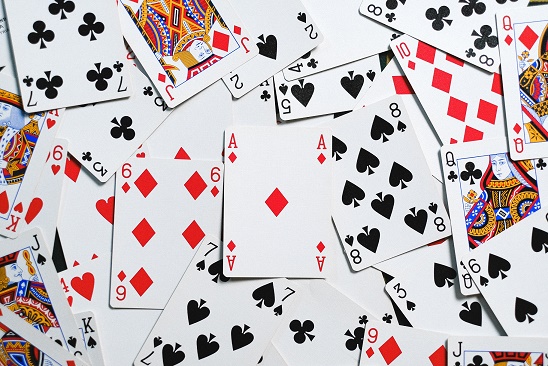

Additionally, the element of luck can create an engaging atmosphere in casinos. Players are drawn to the thrill of uncertainty, hoping that the next game will be their lucky one. This excitement can lead to an emotional investment, making players feel they have a chance, even when the reality suggests otherwise. However, while luck might bring immediate rewards, it is transient and can just as easily lead to significant losses.
Despite the dominance of luck, many players misconstrue short-term wins as indicators of skill or strategy. This misunderstanding can fuel continued play, often leading to financial consequences. Ultimately, while luck plays a crucial role in the gambling experience, relying on it alone can be a precarious approach for those seeking long-term success.
The Importance of Skill in Strategic Games
In contrast to games of pure chance, skill-based games such as poker and blackjack allow players to exert more control over their outcomes. Knowledge of game mechanics and strategic decision-making can significantly influence a player’s success rate. For example, a seasoned poker player can read opponents, calculate odds, and bluff effectively, giving them an edge over less experienced players. This strategic element highlights the importance of skill in certain casino environments.
Furthermore, honing specific skills can lead to better bankroll management and an improved understanding of game strategies. Players who invest time in learning and practicing these skills often find themselves more successful over the long run. They recognize that while luck may favor them on occasion, consistent success is usually a product of thorough preparation and strategic thinking.
Many professionals advocate for a balanced approach, recognizing that while luck is uncontrollable, skill can be cultivated. By focusing on skill enhancement, players can improve their chances of winning, particularly in games that reward strategic play. This understanding creates a more sustainable path to success in the casino realm.
Bankroll Management: The Bridge Between Luck and Skill
Effective bankroll management is crucial for success in any casino setting. Whether relying on luck or leveraging skill, having a well-planned budget can prevent players from experiencing devastating losses. A clear understanding of how much to wager allows players to enjoy their gambling experience without risking financial ruin. Proper bankroll management acts as a safety net, ensuring players can weather the ups and downs of luck-based gaming.
Moreover, players who manage their bankroll wisely can strategically decide when to engage in higher-stakes games. This strategic approach reflects a blend of skill and an understanding of their luck threshold. For instance, a player may choose to participate in a high-stakes poker game only when they feel confident in their abilities and are in a good financial position, enhancing their chances for success.
Additionally, players should always set limits on their spending and stick to them. This disciplined approach minimizes the emotional rollercoaster that often accompanies gambling, allowing individuals to stay focused on skill development. Over time, those who practice good bankroll management often find that they enjoy their casino experience more while remaining in control of their financial situation.
The Psychological Factors at Play
The interplay between luck and skill at casinos is not just a matter of numbers; psychological factors significantly impact a player’s experience. Cognitive biases, such as the gambler’s fallacy, can lead players to make poor decisions based on perceived patterns in random events. For example, a player may believe that a certain slot machine is “due” for a payout after a series of losses, leading them to invest more money in the hopes of hitting a win.
Moreover, the thrill of gambling can create an addictive cycle where players continuously chase after the next big win. This psychological factor emphasizes the importance of understanding both luck and skill; players must be aware of how emotions can cloud judgment. Recognizing these psychological pitfalls can empower players to make more informed decisions, ultimately enhancing their overall gambling strategy.
Furthermore, maintaining a clear mindset can help players distinguish between random outcomes and skill-based decisions. This clarity can lead to a more enjoyable experience, as players learn to appreciate the thrill of chance while also valuing the skills they bring to the table. A balanced understanding of the psychological aspects can foster a healthier relationship with gambling.

Exploring the Casino Landscape
Understanding the dynamics of luck versus skill in casinos can guide players in selecting the right games and strategies. Many casinos cater to various preferences, from slots that rely heavily on luck to poker rooms that reward skillful play. By exploring different gaming options, players can tailor their experiences to suit their comfort levels and desired strategies.
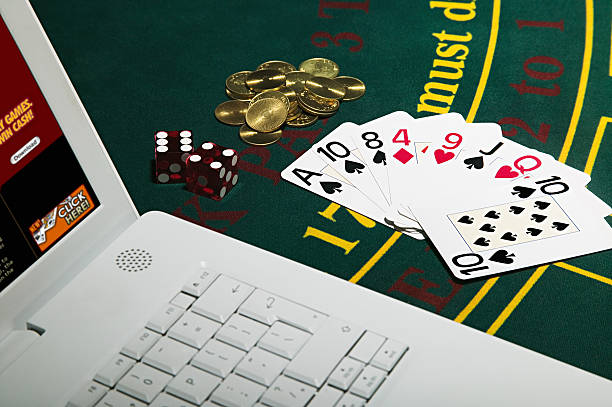
Additionally, many online platforms provide players with the tools and resources necessary to enhance their gaming skills. Tutorials, forums, and training software are available to help individuals develop strategies that can improve their chances of success. This is especially useful for new players who may feel overwhelmed by the prospect of navigating the casino landscape.
In conclusion, whether leaning towards luck or skill, the key to a rewarding casino experience lies in a well-rounded approach. Understanding the nuances of both elements can lead to more informed decisions and potentially greater enjoyment. Embracing this balance allows players to engage with casinos in a more meaningful and sustainable way.